Breeds Sporting
Bracco Italiano
Also known as Italian Pointer, Italian Pointing Dog
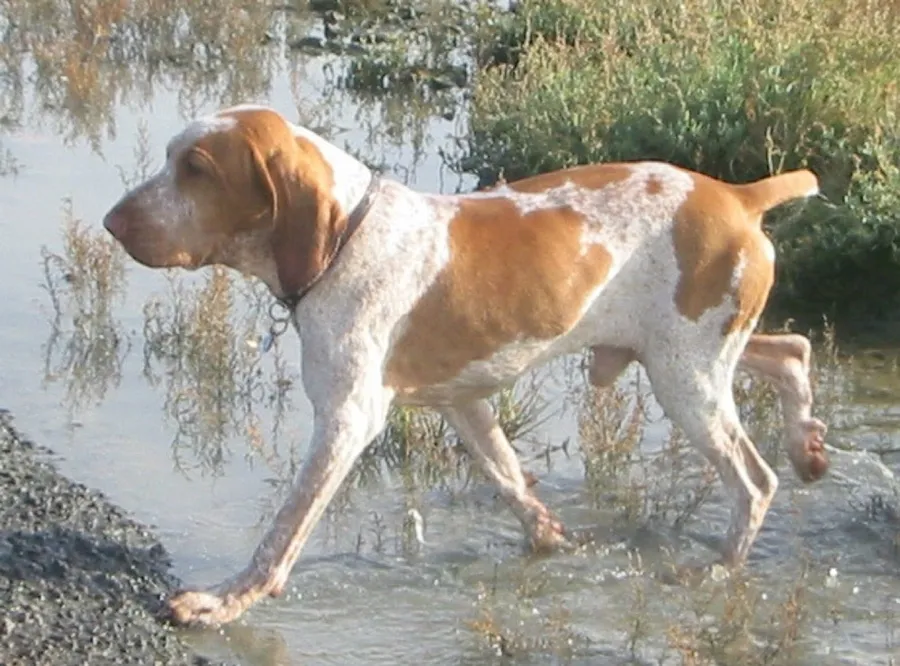
The Bracco Italiano is one of the oldest pointing breeds in Europe, with dogs of this type appearing in Italian art from the Renaissance. Noble families prized it as a bird dog for hunting with nets and, later, with guns. The breed declined in the 1800s but was revived by Italian enthusiasts, and it entered the AKC Sporting Group in 2022. Braccos are known for a distinctive high-headed trot in the field and a gentle, affectionate nature at home.
At a glance
- Origin
- Italy
- Developed
- Renaissance era (1400s–1500s) or earlier
- Bred for
- Pointing and retrieving upland game birds
- Height
- 21–27 in
- Weight
- 55–90 lb
- Life span
- 10–12 years
- Size
- Large
- Coat
- Short, dense, glossy coat; white, white with orange or chestnut markings, or roan
- Grooming
- Low
- Shedding
- Moderate
- Exercise
- 1 hour or more a day, including off-leash running in safe areas
- Recognized by
- American Kennel Club, United Kennel Club, Fédération Cynologique Internationale, The Kennel Club (UK)
Good to know
Braccos need daily exercise but are often calm in the house once their needs are met. They can drool, and their long, pendulous ears should be checked regularly. Patient, clear, consistent training suits their sensitive nature.
Health considerations
- Hip dysplasia
- Elbow dysplasia
- Ear infections
- Bloat (gastric dilatation-volvulus)
Conditions breed clubs commonly screen for. Not every dog will have them. Ask your veterinarian about your own dog.
Did you know?
Dogs closely resembling the Bracco Italiano appear in frescoes and paintings from Renaissance Italy.
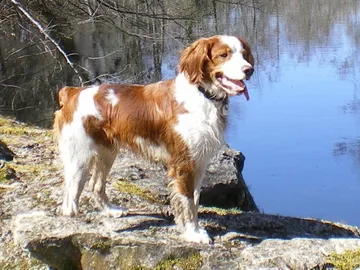
Sporting group
Retrievers, pointers, setters, and spaniels, developed to help hunters find and retrieve game. Typically active, people-focused, and happiest with regular exercise and a job to do.
Every Bracco Italiano is an individual.
Breed traits are tendencies, not guarantees. Your dog's genetics, early life, health, and everyday experiences all shape who they are. If you'd like help understanding the dog in front of you, let's talk.
Start a conversation