Breeds Miscellaneous
Czechoslovakian Vlciak
Also known as Czechoslovakian Wolfdog, Československý vlčák
The Czechoslovakian Vlciak began in 1955 as a Czechoslovak army experiment led by Karel Hartl, crossing German Shepherd Dogs with Carpathian wolves. The goal was a dog with the trainability of the shepherd and the stamina and senses of the wolf. It became a national breed in Czechoslovakia in 1982 and is now used in tracking, search, and dog sports.
At a glance
- Origin
- Czechoslovakia
- Developed
- 1955 onward
- Bred for
- Border patrol and working dog experiments; later search, tracking, and sport
- Height
- 23.5–26 in
- Weight
- 44–65 lb
- Life span
- 12–16 years
- Size
- Large
- Coat
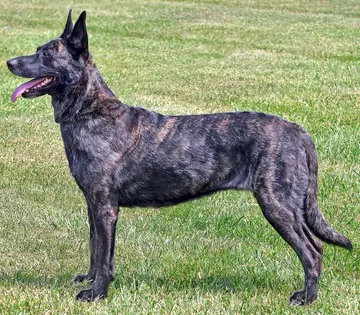
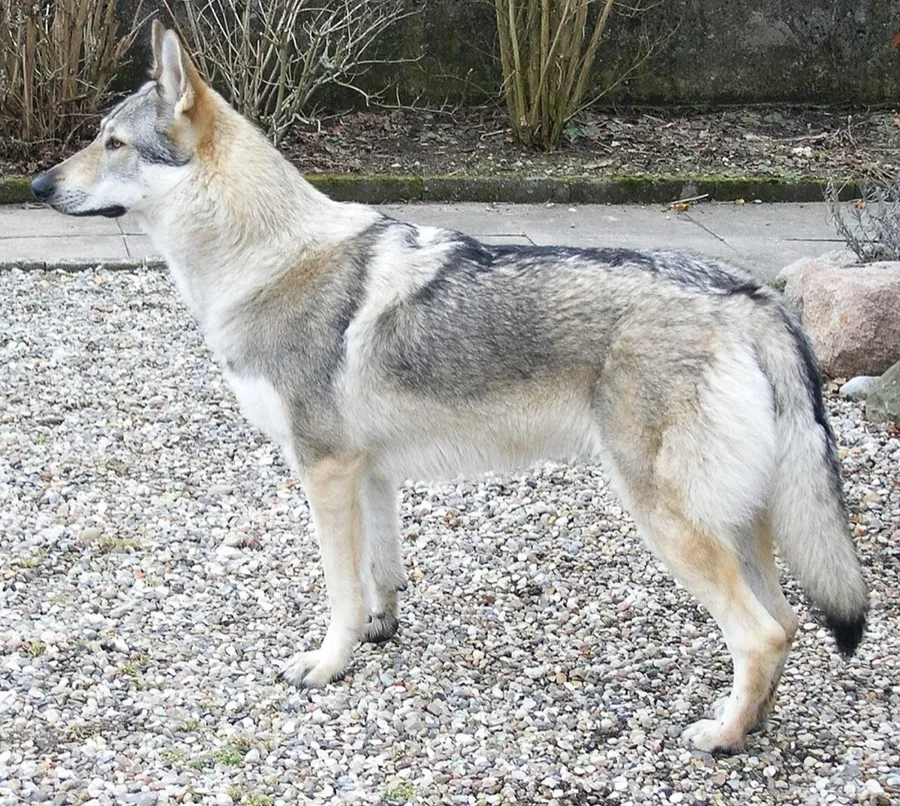
- Straight, dense double coat in yellowish gray to silver gray with a light mask
- Grooming
- Moderate
- Shedding
- Seasonal
- Exercise
- 2+ hours a day of varied activity, plus training and enrichment
- Recognized by
- American Kennel Club, United Kennel Club, Fédération Cynologique Internationale, The Kennel Club (UK)
Good to know
This is a demanding breed best suited to experienced owners who can provide extensive socialization, daily exercise, and patient, clear, consistent training. Many are sensitive to new situations and dislike being left alone.
Health considerations
- Hip dysplasia
- Elbow dysplasia
- Degenerative myelopathy
- Pituitary dwarfism
Conditions breed clubs commonly screen for. Not every dog will have them. Ask your veterinarian about your own dog.
Did you know?
Vlciaks often communicate with howls and a wide range of vocal sounds rather than frequent barking.
Miscellaneous group
Breeds working toward full AKC recognition. They can compete in some AKC events while their breed clubs complete the requirements.
Every Czechoslovakian Vlciak is an individual.
Breed traits are tendencies, not guarantees. Your dog's genetics, early life, health, and everyday experiences all shape who they are. If you'd like help understanding the dog in front of you, let's talk.
Start a conversation