Breeds Toy
Italian Greyhound
Also known as Iggy, IG, Piccolo Levriero Italiano
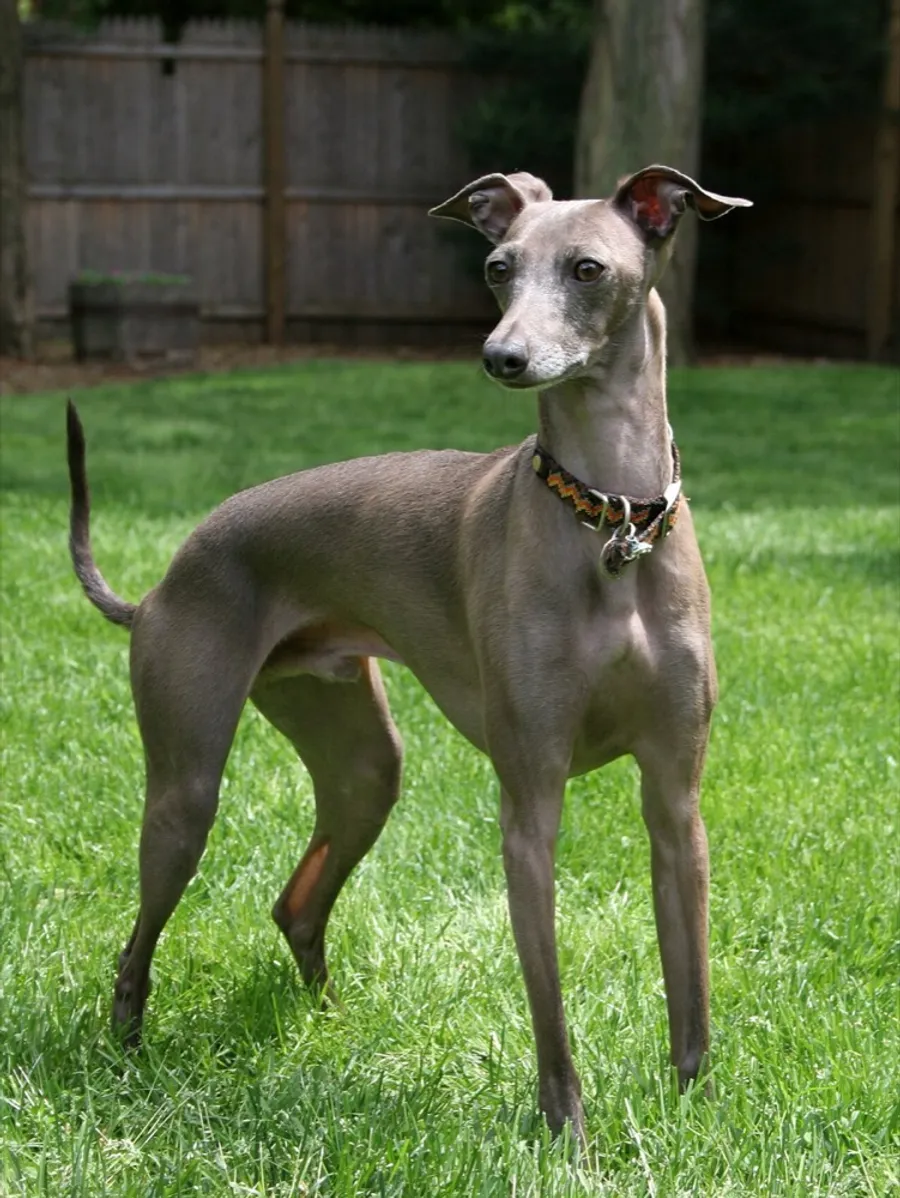
Miniature sighthounds were kept around the Mediterranean for more than 2,000 years. The breed became especially popular in Renaissance Italy, which gave it its name, and was a favorite of European royalty. The Italian Greyhound is a true sighthound in miniature, built for speed. At home it is a gentle, affectionate companion that loves warmth and soft bedding.
At a glance
- Origin
- Italy (Mediterranean region)
- Developed
- Ancient origins; popular in Renaissance Italy
- Bred for
- Companionship; also small game hunting
- Height
- 13–15 in
- Weight
- 7–14 lb
- Life span
- 14–15 years
- Size
- Toy
- Coat
- Very short, glossy, satin-like coat; any color except brindle or black and tan pattern
- Grooming
- Low
- Shedding
- Minimal
- Exercise
- About 30–60 minutes a day, including safe chances to sprint in a fenced area
- Recognized by
- American Kennel Club, United Kennel Club, Fédération Cynologique Internationale, Canadian Kennel Club, The Kennel Club (UK)
Good to know
Italian Greyhounds have slender legs that can fracture from jumps or falls, so take care with furniture and rough play. Like other sighthounds, they may chase small animals and should be exercised in secure areas. Housetraining can take patience, and they need warmth in cold weather.
Health considerations
- Periodontal disease
- Leg fractures
- Progressive retinal atrophy
- Patellar luxation
Conditions breed clubs commonly screen for. Not every dog will have them. Ask your veterinarian about your own dog.
Did you know?
Frederick the Great of Prussia was devoted to his small greyhounds and asked to be buried beside them at Sanssouci, a wish fulfilled in 1991.
Toy group
Small companion breeds, many developed for life alongside people. Small in size but often big in personality; they still need training, enrichment, and gentle handling.
Every Italian Greyhound is an individual.
Breed traits are tendencies, not guarantees. Your dog's genetics, early life, health, and everyday experiences all shape who they are. If you'd like help understanding the dog in front of you, let's talk.
Start a conversation