Breeds Working
Mastiff
Also known as English Mastiff, Old English Mastiff
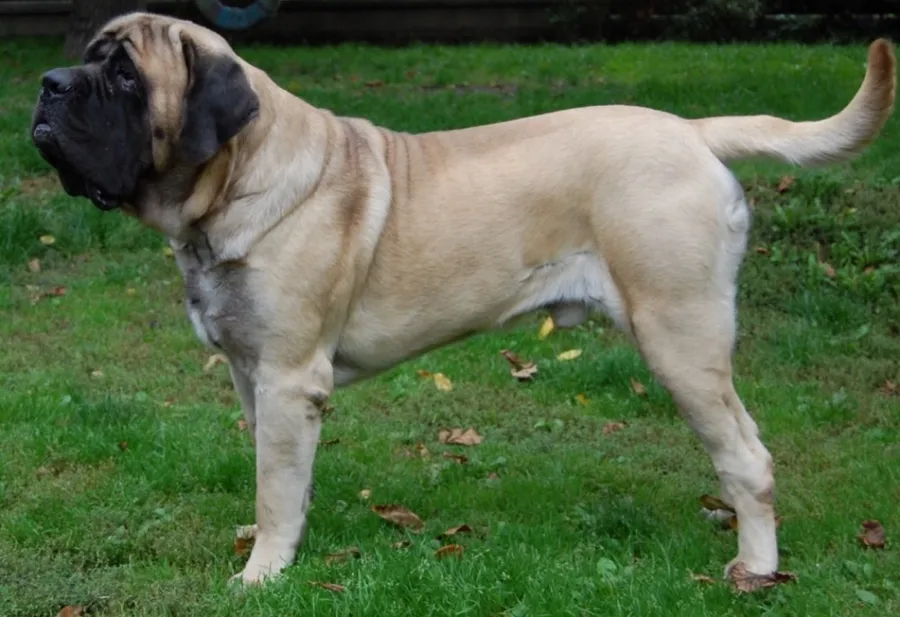
Mastiff-type dogs have lived in Britain for over 2,000 years, guarding homes and estates. The modern Mastiff was standardized in the 1800s, and the breed was rebuilt after its numbers dropped dramatically during and after the World Wars. Mastiffs are calm, dignified, and affectionate with family, and naturally watchful with strangers.
At a glance
- Origin
- England
- Developed
- Ancient; modern type developed in the 1800s
- Bred for
- Guarding estates and property
- Height
- 27.5–30+ in
- Weight
- 120–230 lb
- Life span
- 6–10 years
- Size
- Giant
- Coat
- Short, dense, straight coat; fawn, apricot, or brindle with a dark mask
- Grooming
- Low
- Shedding
- Moderate
- Exercise
- Moderate daily walks; avoid strenuous exercise in heat or while growing
- Recognized by
- American Kennel Club, United Kennel Club, Fédération Cynologique Internationale, Canadian Kennel Club, The Kennel Club (UK)
Good to know
Train leash manners and polite behavior early, before your puppy outgrows you. Mastiffs drool, are sensitive to heat, and need joint-friendly exercise while growing.
Health considerations
- Hip dysplasia
- Elbow dysplasia
- Gastric dilatation-volvulus (bloat)
- Progressive retinal atrophy
Conditions breed clubs commonly screen for. Not every dog will have them. Ask your veterinarian about your own dog.
Did you know?
A Mastiff named Zorba was listed by Guinness World Records in 1989 as the heaviest dog ever recorded, at about 343 pounds.
Working group
Guardians, sled dogs, draft dogs, and rescue dogs. Often large and strong, intelligent, and capable of serious work. Early socialization and consistent training matter.
Every Mastiff is an individual.
Breed traits are tendencies, not guarantees. Your dog's genetics, early life, health, and everyday experiences all shape who they are. If you'd like help understanding the dog in front of you, let's talk.
Start a conversation