Breeds Herding
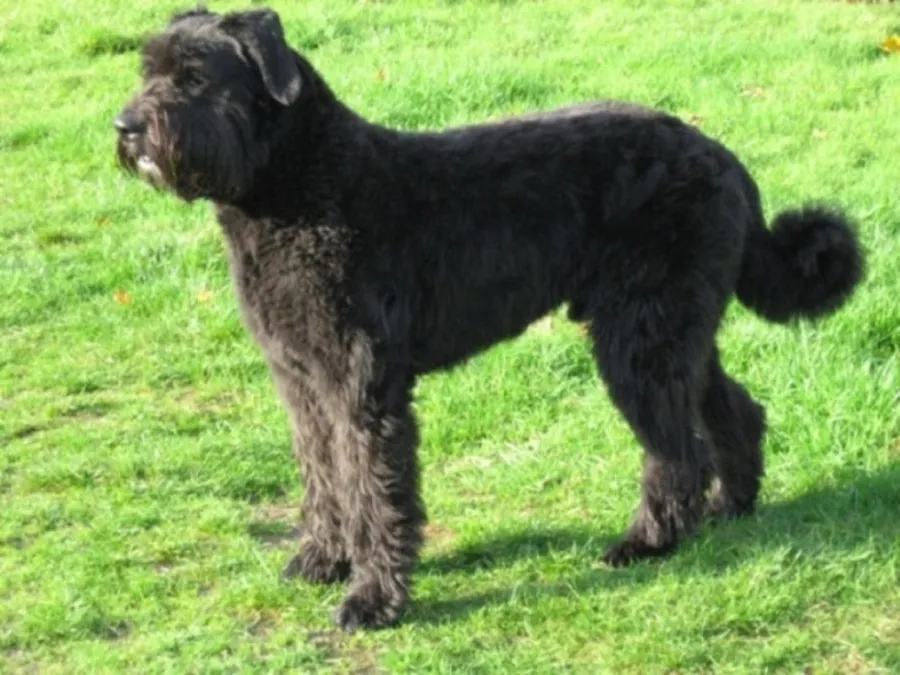
Bouvier des Flandres
Also known as Bouvier, Flanders Cattle Dog, Vlaamse Koehond
The Bouvier des Flandres was an all-purpose farm dog in Flanders, driving cattle, pulling carts, and guarding the homestead. The breed was nearly wiped out during World War I but was rebuilt by a few dedicated breeders. Bouviers are powerful, even-tempered dogs that are deeply loyal to their families.
At a glance
- Origin
- Belgium (Flanders)
- Developed
- 1600s–1800s
- Bred for
- Driving cattle, pulling carts, and guarding farms
- Height
- 23.5–27.5 in
- Weight
- 70–110 lb
- Life span
- 10–12 years
- Size
- Large
- Coat
- Rough, tousled, weatherproof double coat; fawn to black, including salt and pepper, gray, and brindle
- Grooming
- High
- Shedding
- Minimal
- Exercise
- About 1 hour a day of walks, play, and training
- Recognized by
- American Kennel Club, United Kennel Club, Fédération Cynologique Internationale, Canadian Kennel Club, The Kennel Club (UK)
Good to know
The Bouvier's coat needs regular brushing and periodic trimming. They are steady but strong-willed, so consistent, fair training and early socialization are important, and their natural watchfulness makes thoughtful introductions to visitors a good habit.
Health considerations
- Hip dysplasia
- Elbow dysplasia
- Hypothyroidism
- Subaortic stenosis
Conditions breed clubs commonly screen for. Not every dog will have them. Ask your veterinarian about your own dog.
Did you know?
President Ronald Reagan had a Bouvier des Flandres named Lucky at the White House.
Herding group
Dogs developed to gather, drive, and protect livestock. Usually intelligent, responsive, and energetic, with a strong instinct to control movement.
Every Bouvier des Flandres is an individual.
Breed traits are tendencies, not guarantees. Your dog's genetics, early life, health, and everyday experiences all shape who they are. If you'd like help understanding the dog in front of you, let's talk.
Start a conversation