Breeds Sporting
Field Spaniel
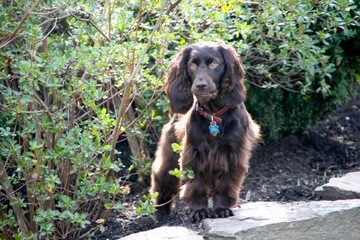
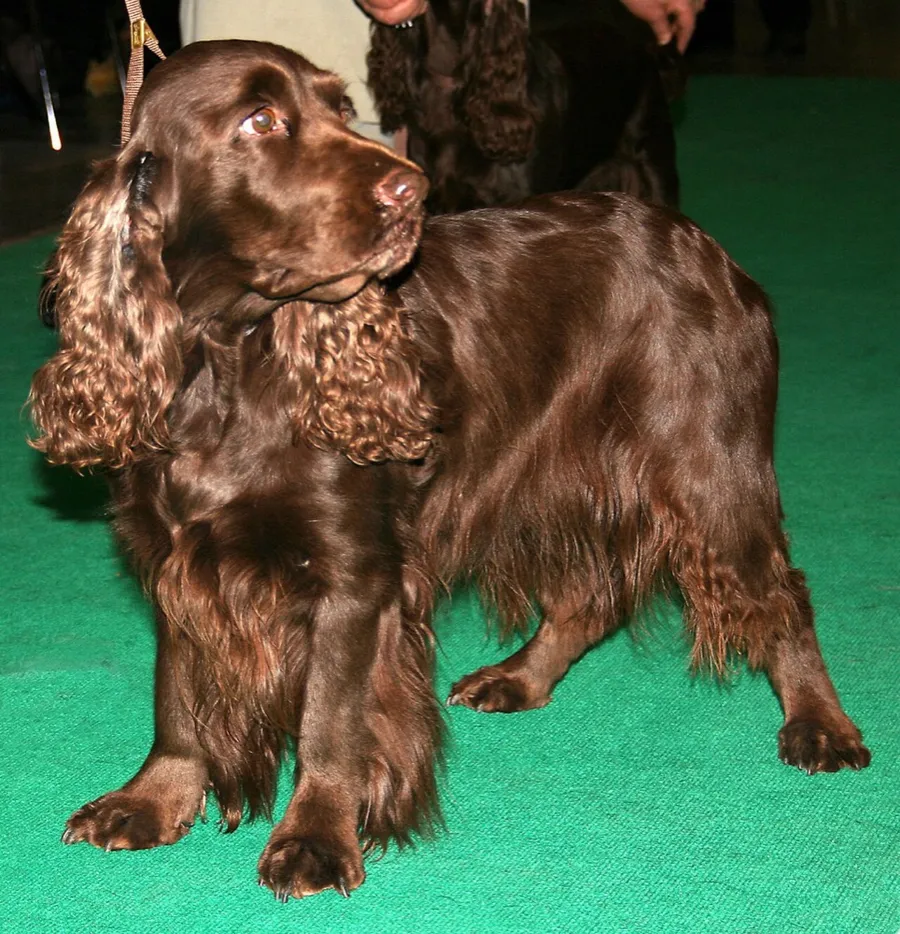
The Field Spaniel was developed in England as a solid-colored show and hunting spaniel. Early breeding for exaggerated length and low stature nearly ruined the breed, and it came close to disappearing before dedicated breeders restored a more balanced, functional dog. Today it remains one of the rarer sporting breeds, valued for its docile, affectionate character.
At a glance
- Origin
- England
- Developed
- Mid-to-late 1800s
- Bred for
- Flushing and retrieving game birds
- Height
- 17–18 in
- Weight
- 35–50 lb
- Life span
- 12–13 years
- Size
- Medium
- Coat
- Single coat, flat or slightly wavy, with moderate feathering; black, liver, or golden liver, sometimes roan
- Grooming
- Moderate
- Shedding
- Moderate
- Exercise
- About 1 hour a day of walks and active play
- Recognized by
- American Kennel Club, United Kennel Club, Fédération Cynologique Internationale, Canadian Kennel Club, The Kennel Club (UK)
Good to know
Field Spaniels can be sensitive and sometimes reserved, so early socialization and gentle training are important. They enjoy outdoor activity and need regular brushing and ear care.
Health considerations
- Hip dysplasia
- Hypothyroidism
- Ear infections
Conditions breed clubs commonly screen for. Not every dog will have them. Ask your veterinarian about your own dog.
Did you know?
The Field Spaniel became so rare after World War II that the breed was rebuilt from a very small number of dogs.
Sporting group
Retrievers, pointers, setters, and spaniels, developed to help hunters find and retrieve game. Typically active, people-focused, and happiest with regular exercise and a job to do.
Every Field Spaniel is an individual.
Breed traits are tendencies, not guarantees. Your dog's genetics, early life, health, and everyday experiences all shape who they are. If you'd like help understanding the dog in front of you, let's talk.
Start a conversation