Breeds Non-Sporting
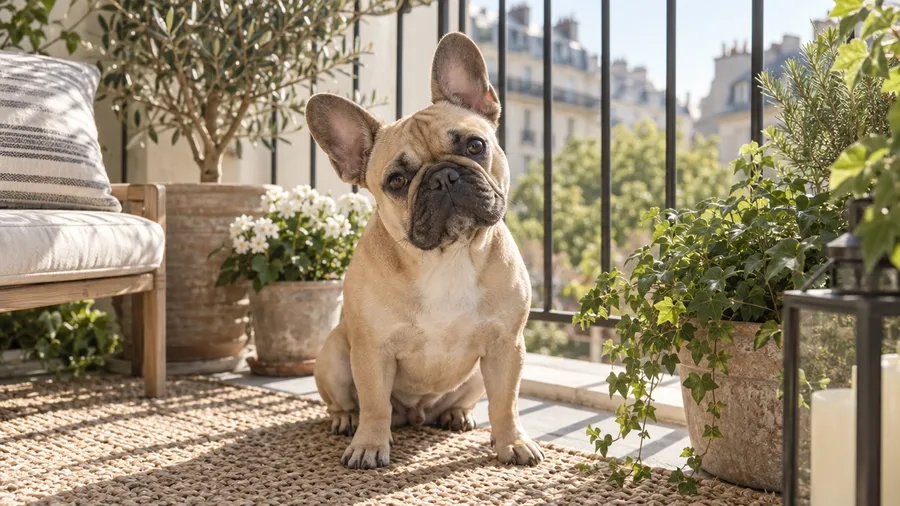
French Bulldog
Also known as Frenchie, Bouledogue Français
The French Bulldog developed from toy-sized Bulldogs brought to France by English lace workers during the Industrial Revolution. In France, they became popular companions in Paris. American fanciers championed the breed's signature bat ears in the late 1800s. Today the Frenchie is one of the most popular breeds in the United States.
At a glance
- Origin
- France (with English roots)
- Developed
- 1800s
- Bred for
- Companionship
- Height
- 11–13 in
- Weight
- Under 28 lb
- Life span
- 10–12 years
- Size
- Small
- Coat
- Short, smooth, fine coat; brindle, fawn, white, cream, or combinations
- Grooming
- Low
- Shedding
- Moderate
- Exercise
- About 30 minutes a day of easy walks and play, avoiding heat
- Recognized by
- American Kennel Club, United Kennel Club, Fédération Cynologique Internationale, Canadian Kennel Club, The Kennel Club (UK)
Good to know
French Bulldogs are very sensitive to heat and cannot swim well, so supervise them near water. Keep exercise moderate and watch their weight. Ask breeders about breathing and spinal health screening.
Health considerations
- Brachycephalic airway syndrome
- Intervertebral disc disease
- Allergies
- Hemivertebrae
Conditions breed clubs commonly screen for. Not every dog will have them. Ask your veterinarian about your own dog.
Did you know?
American fanciers in the late 1890s championed the French Bulldog's upright bat ears over the rose ears preferred by some European breeders.
Non-Sporting group
A varied group of breeds with different histories, from the Dalmatian and Chow Chow to the Bulldog and Poodle. Size, coat, and energy vary widely.
Every French Bulldog is an individual.
Breed traits are tendencies, not guarantees. Your dog's genetics, early life, health, and everyday experiences all shape who they are. If you'd like help understanding the dog in front of you, let's talk.
Start a conversation