Breeds Working
Newfoundland
Also known as Newfie
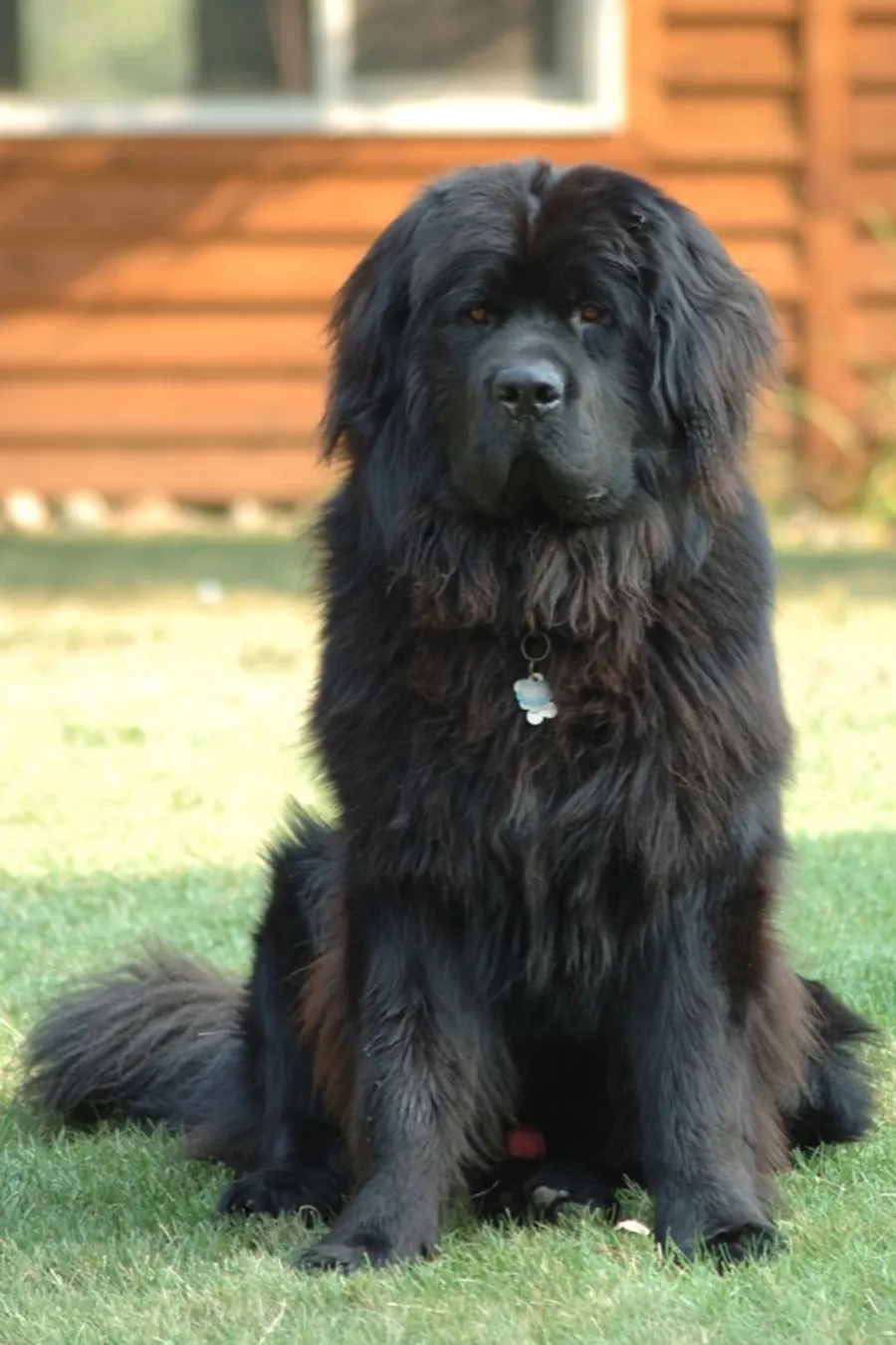
The Newfoundland worked alongside fishermen on the island of Newfoundland, hauling nets and lines and pulling people from the water. Webbed feet, a water-resistant coat, and great strength make it a natural swimmer and rescue dog. Newfs are famously gentle, patient, and devoted to their families.
At a glance
- Origin
- Canada (Newfoundland)
- Developed
- 1700s
- Bred for
- Assisting fishermen by hauling nets and lines, water rescue, and draft work
- Height
- 26–28 in
- Weight
- 100–150 lb
- Life span
- 9–10 years
- Size
- Giant
- Coat
- Flat, water-resistant double coat; black, brown, gray, or white and black (Landseer)
- Grooming
- High
- Shedding
- Heavy
- Exercise
- About 30–60 minutes a day; most love to swim
- Recognized by
- American Kennel Club, United Kennel Club, Fédération Cynologique Internationale, Canadian Kennel Club, The Kennel Club (UK)
Good to know
Expect drool, heavy shedding, and regular grooming sessions. Newfs are sensitive to heat and benefit from calm, patient training started early. Ask breeders about heart and joint screening.
Health considerations
- Subvalvular aortic stenosis
- Hip dysplasia
- Elbow dysplasia
- Cystinuria
Conditions breed clubs commonly screen for. Not every dog will have them. Ask your veterinarian about your own dog.
Did you know?
A Newfoundland named Seaman accompanied Meriwether Lewis on the Lewis and Clark Expedition.
Working group
Guardians, sled dogs, draft dogs, and rescue dogs. Often large and strong, intelligent, and capable of serious work. Early socialization and consistent training matter.
Every Newfoundland is an individual.
Breed traits are tendencies, not guarantees. Your dog's genetics, early life, health, and everyday experiences all shape who they are. If you'd like help understanding the dog in front of you, let's talk.
Start a conversation