Breeds Sporting
Nederlandse Kooikerhondje
Also known as Kooikerhondje, Kooiker, Dutch Decoy Dog
The Nederlandse Kooikerhondje was used by Dutch duck-trappers, called kooikers, to lure curious ducks into funnel-shaped traps by moving along the banks with its white-plumed tail waving. The breed appears in Dutch paintings from the 1600s. It nearly vanished in the 1900s and was revived largely through the efforts of Baroness van Hardenbroek, and the AKC recognized it in 2018.
At a glance
- Origin
- Netherlands
- Developed
- 1500s–1600s
- Bred for
- Luring ducks into traps (eendenkooi) with its waving, plumed tail
- Height
- 14–16 in
- Weight
- 20–30 lb
- Life span
- 12–14 years
- Size
- Small
- Coat
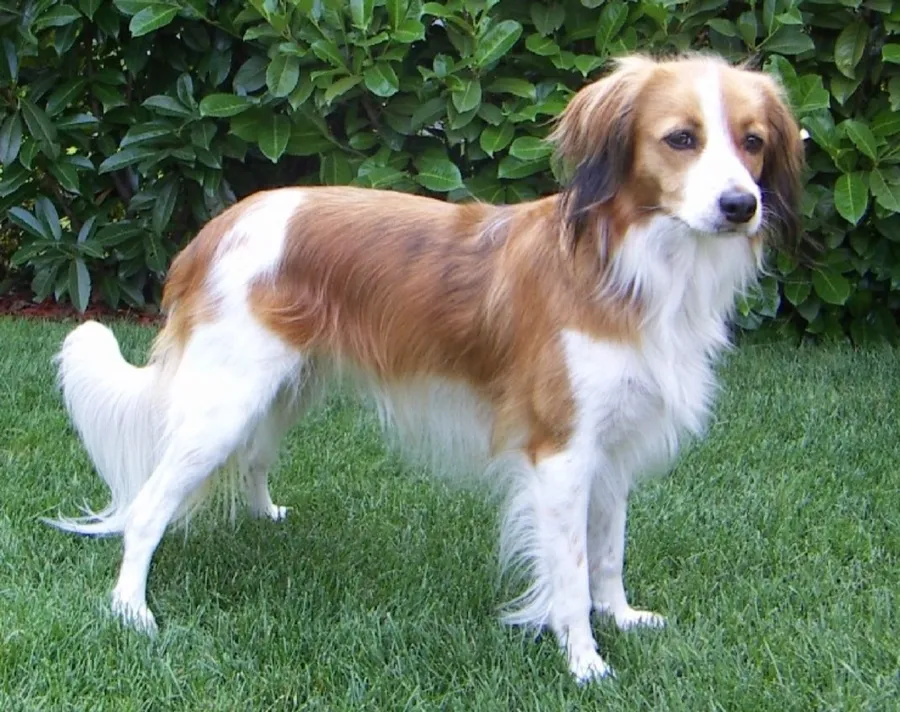
- Medium-length, slightly wavy coat; orange-red patches on white, with black-tipped ears ('earrings') preferred
- Grooming
- Moderate
- Shedding
- Moderate
- Exercise
- About 1 hour a day of walks, play, and training
- Recognized by
- American Kennel Club, United Kennel Club, Fédération Cynologique Internationale, Canadian Kennel Club, The Kennel Club (UK)
Good to know
Kooikers can be sensitive and cautious with strangers, so early, gentle socialization is important. They are quick learners who enjoy activities like agility and trick training.
Health considerations
- Von Willebrand disease
- Hereditary necrotizing myelopathy
- Patellar luxation
- Cataracts
Conditions breed clubs commonly screen for. Not every dog will have them. Ask your veterinarian about your own dog.
Did you know?
According to Dutch history, a Kooikerhondje-type dog awakened William of Orange and alerted him to assassins in 1572.
Sporting group
Retrievers, pointers, setters, and spaniels, developed to help hunters find and retrieve game. Typically active, people-focused, and happiest with regular exercise and a job to do.
Every Nederlandse Kooikerhondje is an individual.
Breed traits are tendencies, not guarantees. Your dog's genetics, early life, health, and everyday experiences all shape who they are. If you'd like help understanding the dog in front of you, let's talk.
Start a conversation