Breeds Toy
Russian Tsvetnaya Bolonka
Also known as Bolonka, Russian Colored Lapdog
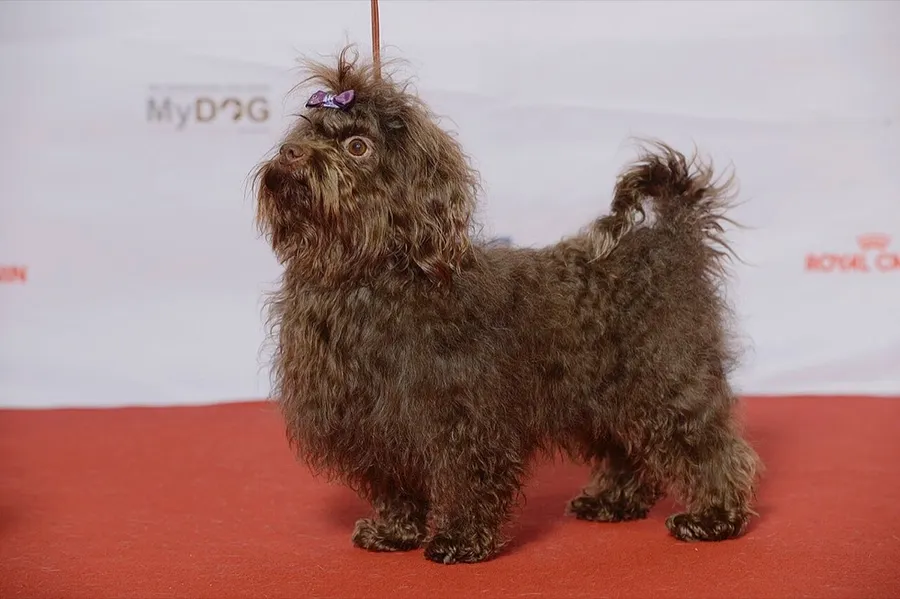
A small companion breed developed in Russia in the mid-20th century, when city apartment living made little lapdogs popular. Its name means "Russian colored lapdog," and unlike its white relatives in the bichon family, it comes in many colors. Bolonkas are known for being affectionate and friendly with everyone.
At a glance
- Origin
- Russia
- Developed
- Mid-1900s; AKC-recognized in 2026
- Bred for
- Companionship, especially in apartments
- Height
- About 9–10.5 in
- Weight
- About 5–10 lb
- Life span
- 12–14 years
- Size
- Toy
- Coat
- Long, soft, wavy or curly coat in any color except white
- Grooming
- High
- Shedding
- Minimal
- Exercise
- About 30 minutes a day of walks and indoor play
- Recognized by
- American Kennel Club
Good to know
Bolonkas want to be with their people and do best when not left alone for long stretches. Their coat needs regular brushing to prevent mats. Like all small dogs, they benefit from real training and confidence-building, not just carrying.
Health considerations
- Patellar luxation
- Dental disease
Conditions breed clubs commonly screen for. Not every dog will have them. Ask your veterinarian about your own dog.
Did you know?
"Tsvetnaya" means "colored" in Russian, which sets the breed apart from the all-white bichon-type breeds.
Toy group
Small companion breeds, many developed for life alongside people. Small in size but often big in personality; they still need training, enrichment, and gentle handling.
Every Russian Tsvetnaya Bolonka is an individual.
Breed traits are tendencies, not guarantees. Your dog's genetics, early life, health, and everyday experiences all shape who they are. If you'd like help understanding the dog in front of you, let's talk.
Start a conversation